Curriculum

English


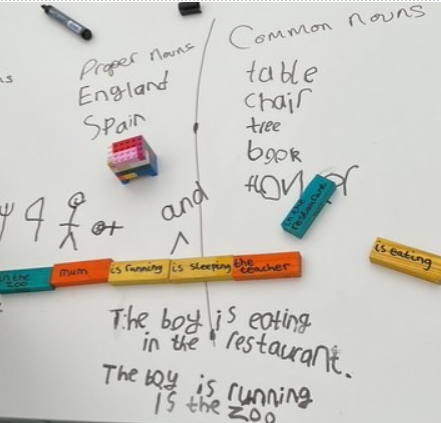
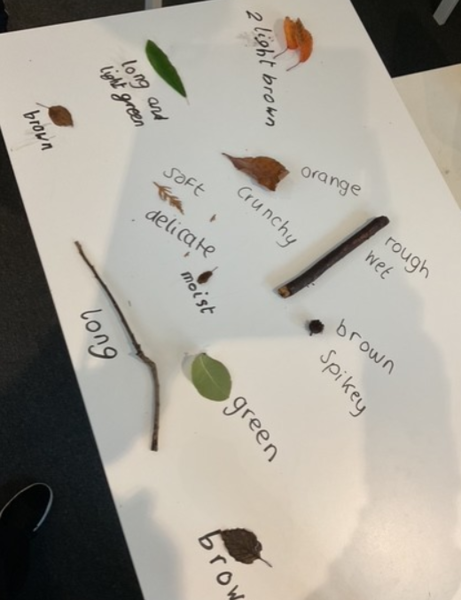
Our English curriculum is designed to develop confident readers, writers and communicators. Across Key Stage 3, pupils explore a wide range of engaging themes including the natural world, myths and legends, journeys and exploration, war, crime and punishment, and growing up. Through the study of fiction, non-fiction, poetry, and creative writing, students build their reading, writing, speaking, and listening skills while developing critical thinking and a love of literature. 

At Key Stage 4, students follow either the NCFE Functional Skills or AQA GCSE English pathway, depending on their individual needs and aspirations. Both courses focus on strengthening literacy skills, developing effective written communication, analysing a variety of texts, and preparing students to progress successfully into further education, employment, and everyday life. Through a supportive and engaging learning environment, students are encouraged to become independent, articulate and reflective learners. 


The KS5 English curriculum is designed to develop students into confident, critical and independent readers, writers and thinkers. Through the study of a diverse range of literary and non-literary texts, students explore how language, form and structure shape meaning across different contexts and periods. They engage with challenging ideas, analyse writers’ methods with increasing sophistication, and refine their ability to construct well-evidenced arguments. The curriculum encourages intellectual curiosity, cultural awareness and a deeper understanding of the ways literature reflects and influences society.  


Our overall approach to English at KS5 is centred on building analytical confidence, academic independence and a genuine appreciation of reading. Lessons are carefully sequenced to deepen subject knowledge while developing the critical and evaluative skills required for success in examinations and beyond. We promote discussion, debate and wider reading to help students make connections between texts, contexts and contemporary issues. Through regular opportunities for extended writing, feedback and reflection, students are supported to become articulate communicators who are well prepared for higher education and future careers.  

We aim to equip every pupil with the literacy skills and confidence needed to thrive both in school and beyond. 
 

Maths


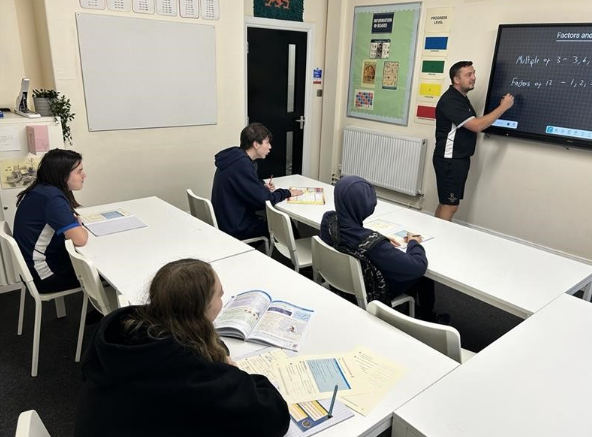
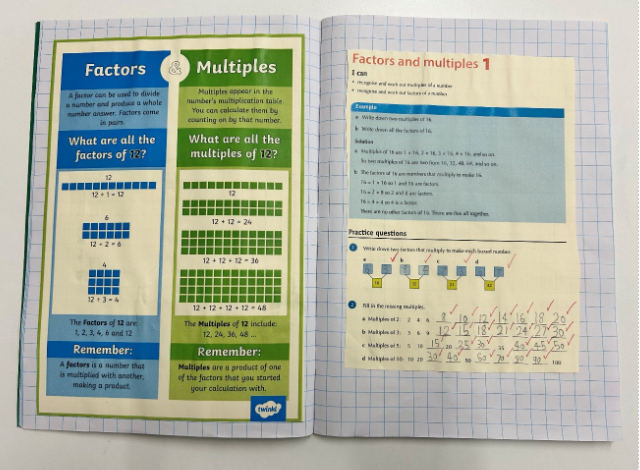
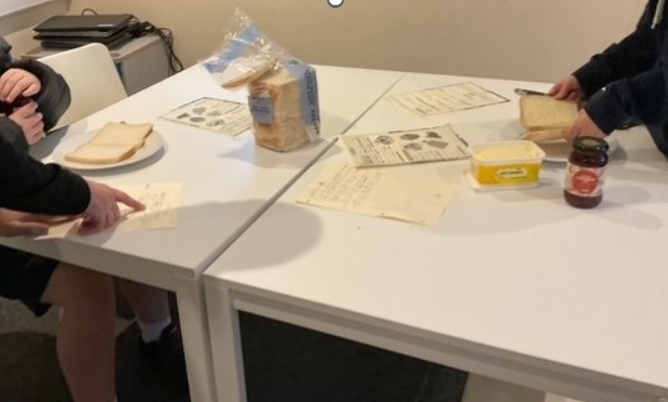
Our maths curriculum develops confidence, fluency and problem-solving skills that students can use in school and everyday life. We build understanding in number, algebra, geometry, statistics and proportional reasoning through a structured and inclusive approach tailored to individual needs.  


Students regularly revisit key concepts to strengthen understanding and build confidence. Through practical activities, real-life applications and exam preparation, we equip students with the mathematical skills needed for further education, employment and independent living, while promoting logical thinking and informed decision-making.


Science


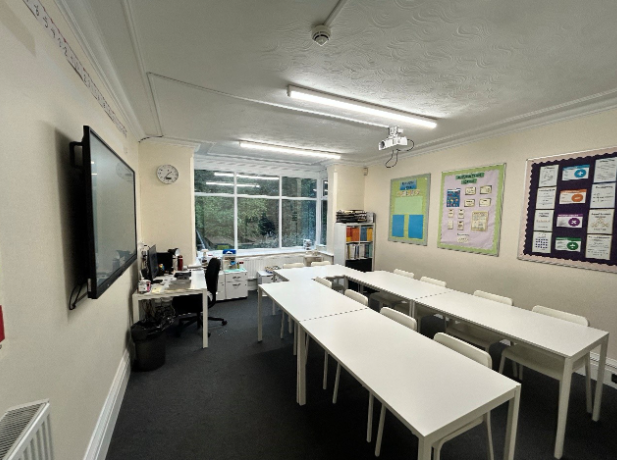
Science is delivered through a broad, balanced and accessible programme designed to meet the needs of all our secondary students. In a small-school setting such as ours, students benefit from calm routines, strong staff relationships, small teaching groups and learning adapted to individual starting points.   

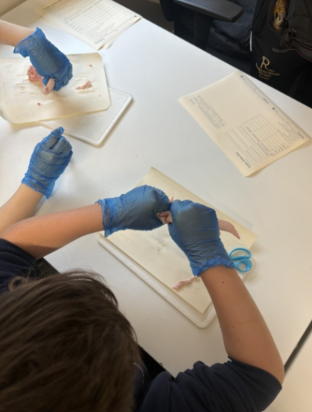
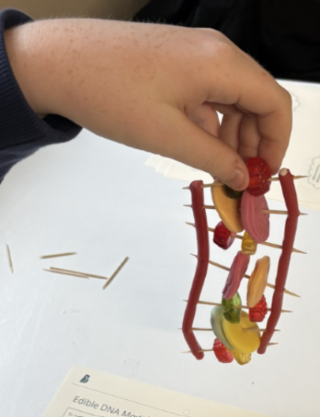
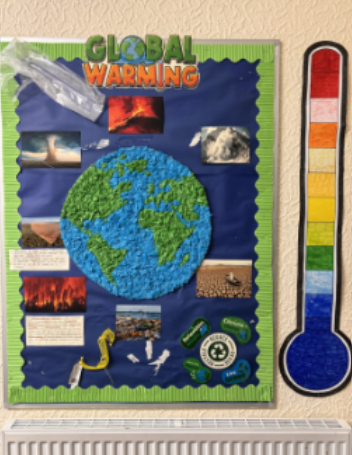
The curriculum covers all National Curriculum guidelines and key concepts in biology, chemistry and physics while developing practical investigation, problem-solving, communication, literacy and numeracy skills.  


Lessons use demonstrations, experiments, visual resources and relevant real-life contexts to build engagement, curiosity and confidence. Clear explanations, manageable learning steps, repetition, flexible recording methods and regular opportunities for success support participation without lowering expectations. Progress is assessed through questioning, observation, practical tasks, quizzes and written work, with feedback, targeted support and lesson adaptations used to address gaps.   


The programme prepares students for further science study, appropriate Key Stage 4 qualifications and work in S.T.E.M. workplaces, while promoting resilience, cooperation, self-regulation and positive attitudes towards learning.  

Humanities


At Roselyn House School, our KS3 Humanities curriculum combines history and geography to help students understand the people, places and events that have shaped our world. Engaging enquiries, powerful stories and relevant local and global issues encourage curiosity, thoughtful discussion and an appreciation of different perspectives.  
 

Learning is active and accessible, with maps, artefacts, images, fieldwork, debate and creative projects bringing each topic to life. Students develop the confidence to question evidence, explain their ideas and make connections between past and present, while building the knowledge, cultural awareness and critical-thinking skills needed for further study and life beyond school.  

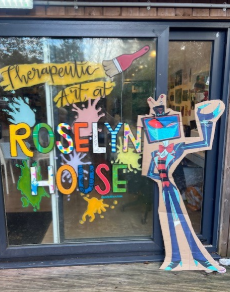
Theraputic Art


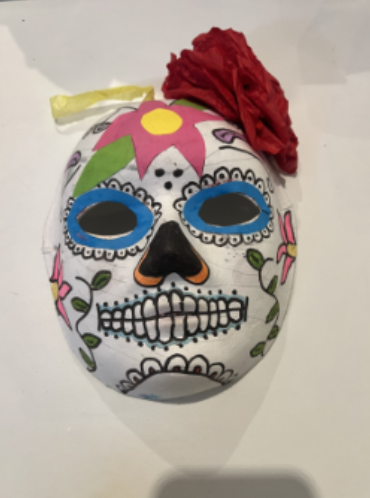
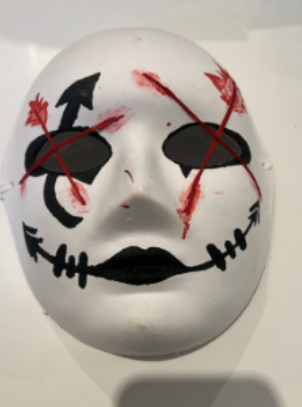
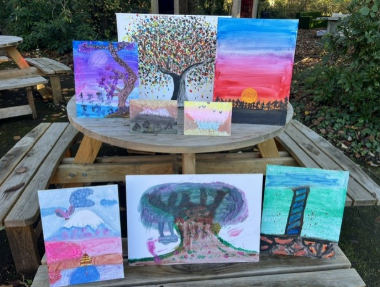
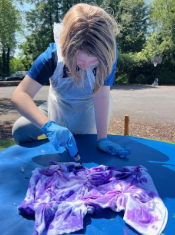
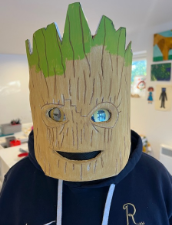
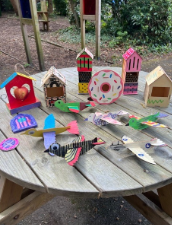
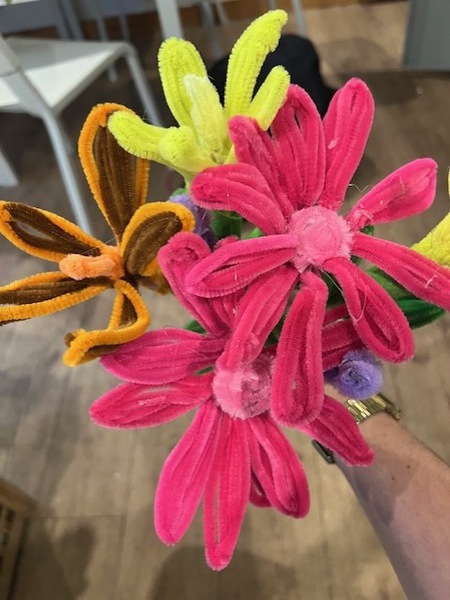
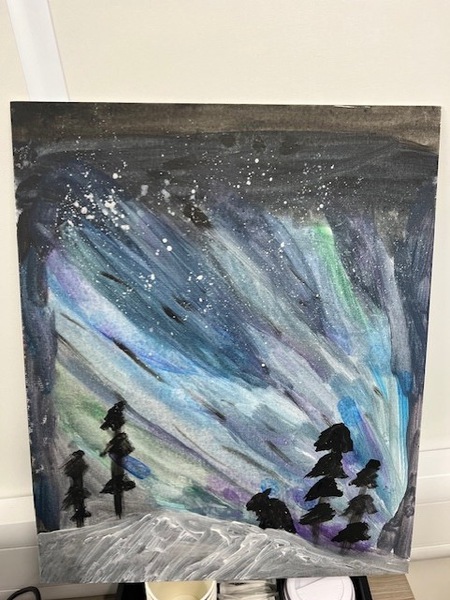
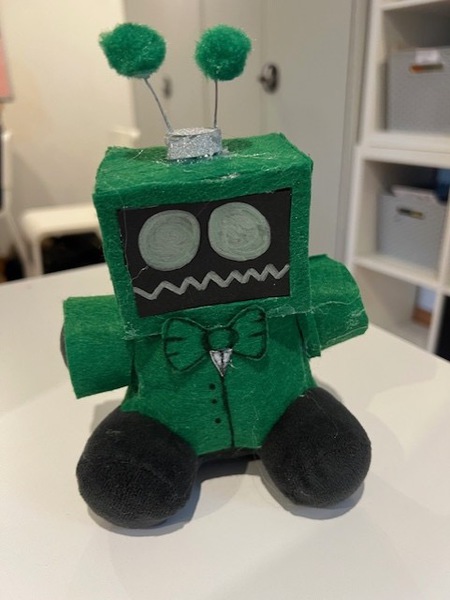
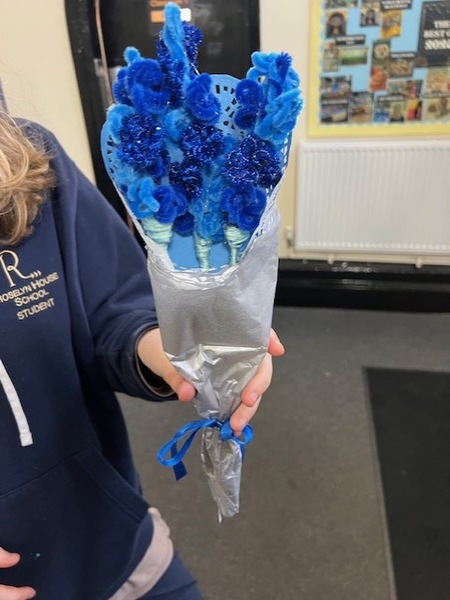
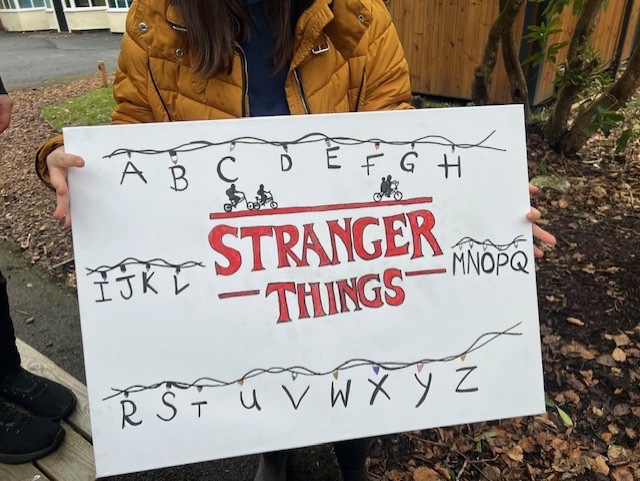
Through our creative curriculum, we are passionate about developing creativity and self-expression through the arts. We offer dedicated Art sessions every afternoon for KS3 and KS4 students, providing a welcoming and inspiring environment where young people can explore different materials, techniques, and creative ideas. 

Therapeutic art is also embedded across the curriculum and delivered within small nurture groups. These sessions provide students with opportunities to build confidence, develop positive relationships, improve emotional wellbeing, and express themselves creatively in a supportive setting. 


For KS4 students, we offer the NCFE Creative Crafts (Art and Design) qualification. This engaging course allows students to develop a portfolio of work through a range of practical projects, helping them build skills in planning, creating, and evaluating their own artistic outcomes. The qualification supports progression into further education, training, and careers within creative industries, giving students a strong foundation for future opportunities in art and design. 


Employability


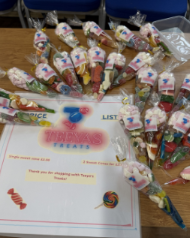
Our employability programme is designed to equip students with the practical skills, knowledge and confidence needed to progress successfully into further education, training or employment. Following the NCFE Level 1 programme, students engage in a range of tailored employability sessions that focus on developing essential workplace and personal skills. Alongside their accredited learning, students participate in business enterprise activities that encourage teamwork, communication, problem-solving and entrepreneurial thinking, helping them to understand the expectations and opportunities within the modern workplace.  

To further prepare students for their next steps, the programme includes interview practice, CV writing workshops, college application support, opportunities to attend local job fairs and accredited online training such as Food Hygiene and Safety. These experiences enable students to build professional skills, explore career pathways and engage directly with employers and training providers. Through a combination of practical activities, guidance and real-world experiences, students leave RHS better prepared to make informed decisions about their futures and transition confidently into education, employment or training. 


PSHE


PSHE is delivered through a thematic curriculum that enables students to build upon prior learning year after year. Topics are revisited and developed in greater depth as students mature, helping them to retain knowledge, make connections across different areas of learning and apply their understanding to real-life situations. 

In Key Stage 3, students explore personal wellbeing and mental health, physical health and wellbeing, social education, and relationships and sex education (RSE). In Key Stage 4, learning progresses to include topics such as relationships, society and British values, healthy futures, physical and mental health, money management, consumer awareness, the law, the global economy, the future of our planet, fake news and disinformation, sexual relationships, online safety, sexuality and gender identity, and making informed choices. 


The curriculum actively promotes the fundamental British Values of democracy, the rule of law, individual liberty, mutual respect and tolerance of those with different faiths and beliefs. Through these themes, students develop the knowledge, understanding and skills needed to navigate modern life safely, confidently and responsibly. 


All PSHE lessons are delivered in an age-appropriate, inclusive and multisensory way, tailored to meet the needs of our learners. Through discussion, practical activities, visual resources, real-life experiences and interactive learning opportunities, students are supported to develop confidence, resilience, independence and the skills needed to thrive as active members of their communities and society. 

Physical  Education


Our PE curriculum provides pupils with a broad range of sporting, fitness and outdoor education opportunities, promoting physical health, wellbeing, confidence, teamwork and independence. 


At Key Stage 3, pupils experience a variety of activities including football, basketball, tag rugby, handball, golf, badminton, cricket, pickleball, dodgeball, bench ball, and health and fitness. 


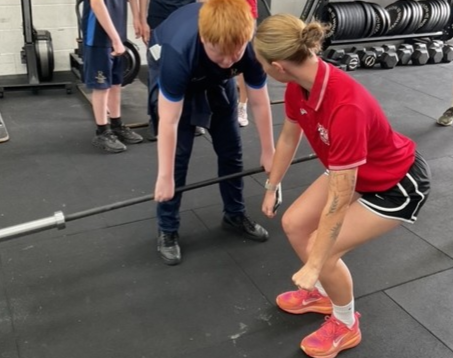
At Key Stage 4, pupils continue to access these activities, with an increased focus on developing healthy, active lifestyles. This includes opportunities to attend the gym and follow structured exercise programmes, helping pupils develop the confidence and independence to remain physically active beyond school. 

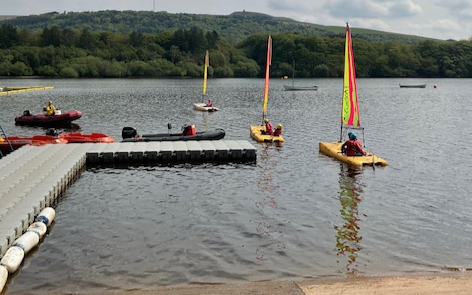
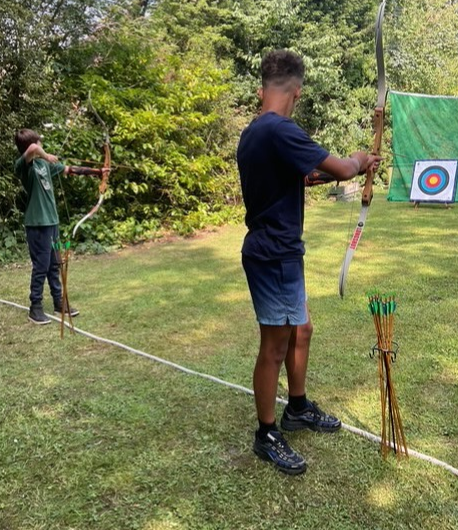
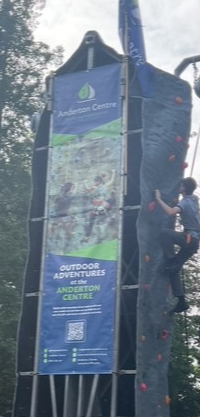
Our enrichment and outdoor education programme further broaden pupils’ experiences through activities such as climbing, high ropes, skiing, snowboarding, axe throwing, laser clay pigeon shooting, water sports and the Duke of Edinburgh’s Award. 


Strong partnerships with The Anderton Centre, Haigh Hall Activity Centre, Awesome Walls, Turbary House Activity Centre and Chill Factor enable us to provide a varied and engaging programme beyond the traditional PE curriculum. 

.

SaLT

This provides support for the pupil's communication skills, including understanding and using language, social interaction, and expressive communication. It helps provide strategies to develop effective communication and engagement within the school environment.  


A Speech and Language Therapist helps children and young people who have difficulties with:  

  • Understanding language (following instructions, understanding questions)  
  • Expressing themselves (finding words, speaking in sentences)  
  • Speech sounds and pronunciation  
  • Social communication skills (taking turns in conversation, understanding social rules)  
  • Stammering  
  • Voice difficulties  
  • Eating, drinking and swallowing difficulties  
  • In school, the service provided by SaLT might:  
  • Assess a pupil's communication needs.  
  • Create communication targets.  
  • Provide individual or group therapy sessions.  
  • Develop communication programmes for staff to deliver.  
  • Advise teachers on classroom strategies.  
  • Support the use of visual aids, communication boards or communication devices.  

Play Therapies

.

The Play Therapist uses play as a way for children to express feelings, experiences and worries that they may find difficult to talk about. They support the pupil's emotional wellbeing through therapeutic play activities, helping them to explore feelings, develop self-regulation, build resilience, and improve social and emotional functioning.  


They support children with:  

  • Anxiety and worries  
  • Trauma or adverse childhood experiences  
  • Bereavement and loss  
  • Attachment difficulties  
  • Emotional regulation  
  • Low self-esteem  
  • Behavioural difficulties  
  • Family changes such as separation or fostering.  
  • In school, the Play Therapist might:  
  • Provide regular one-to-one therapeutic play sessions.  
  • Use toys, art, sand trays, stories and creative activities.  
  • Help children understand and manage their emotions.  
  • Build confidence and resilience.  
  • Support social and emotional development.  

D of E

The Duke of Edinburgh's Award (DofE) is an exciting and rewarding programme available to young people aged 14-24. At Roselyn House School, we offer Bronze to students in Year 9, Silver to Year 10 and Gold to students in Year 12+. The DofE award encourages students to challenge themselves, develop new skills, contribute to their community and build confidence through a range of practical experiences. 

Participants work towards either a Bronze, Silver or Gold Award, with each level increasing in challenge and commitment. Students create their own personalised programme by choosing activities that match their interests and goals. 


The DofE programme is made up of four sections: 

Volunteering – making a positive contribution to the local community. 

Physical – improving fitness, health and wellbeing through sport or physical activity. 

Skills – developing a new talent or building on an existing interest. 

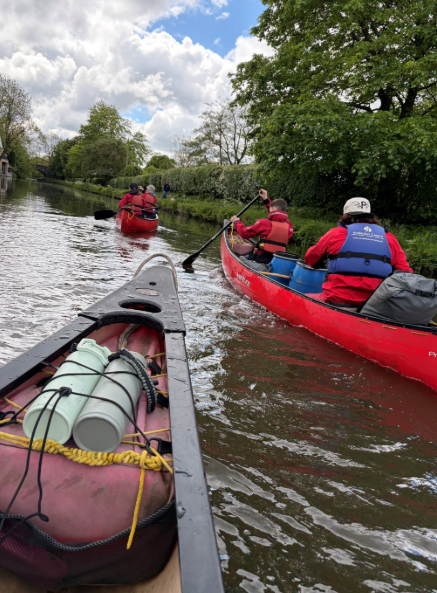
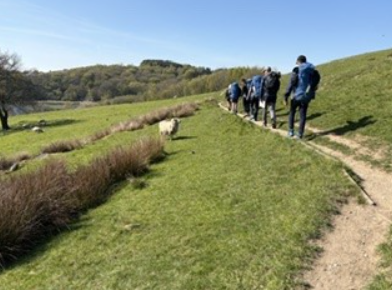
Expedition – planning, training for and completing an adventurous journey as part of a team. 


For the Gold Award, students also undertake a Residential section, where they spend time away from home taking part in a shared activity with new people. 

Through DofE, students develop resilience, independence, teamwork and leadership skills while creating memorable experiences that support future education, employment and personal development. 


Enrichment

Our enrichment programme is designed to provide students with a wide range of opportunities that support the five strands of the Enrichment Framework: active participation, creative and cultural participation, social action, adventures away from home, and opportunities to explore the world of work. 


Students develop resilience, confidence and teamwork through a variety of adventures away from home, including in the Duke of Edinburgh award that includes an overnight expedition. These encourage students to challenge themselves, solve problems and build independence in new environments. 


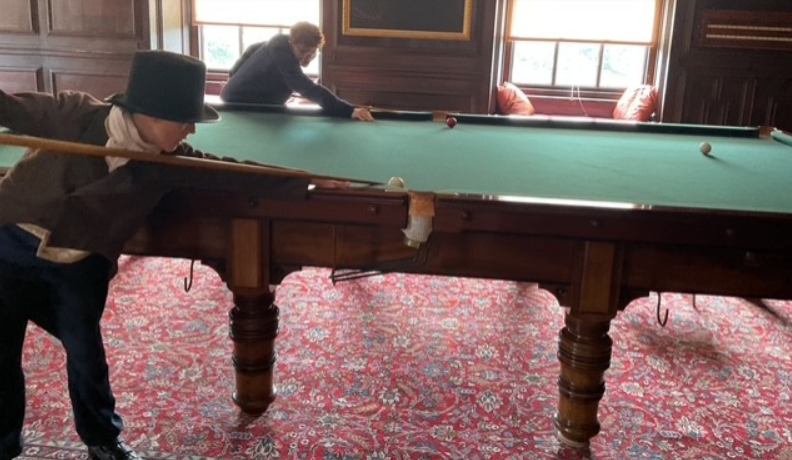
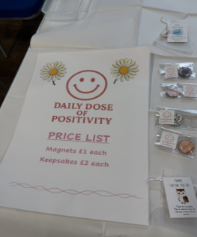
Our performing arts and therapeutic arts programmes support creative and cultural participation, enabling students to express themselves, develop creativity and build self-confidence. Cultural visits to museums, theatre performances and stately homes enrich students' understanding of history, heritage and the arts while broadening their cultural experiences. 


Students engage in active participation through physical and recreational activities, including outdoor pursuits, skiing, climbing and gaming clubs, which promote communication, collaboration and personal wellbeing. 


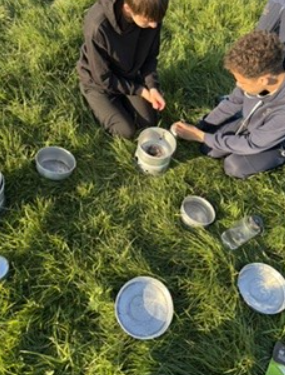
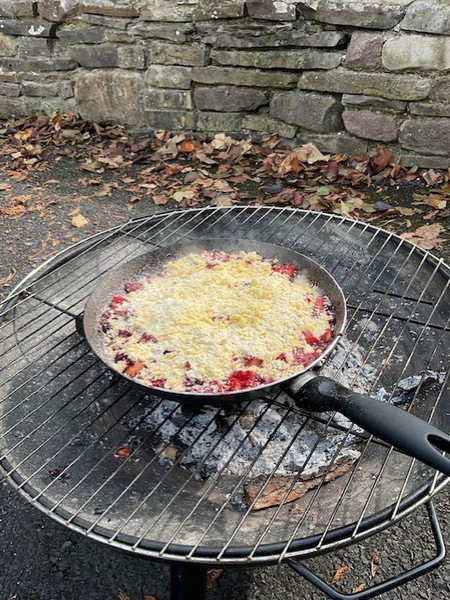
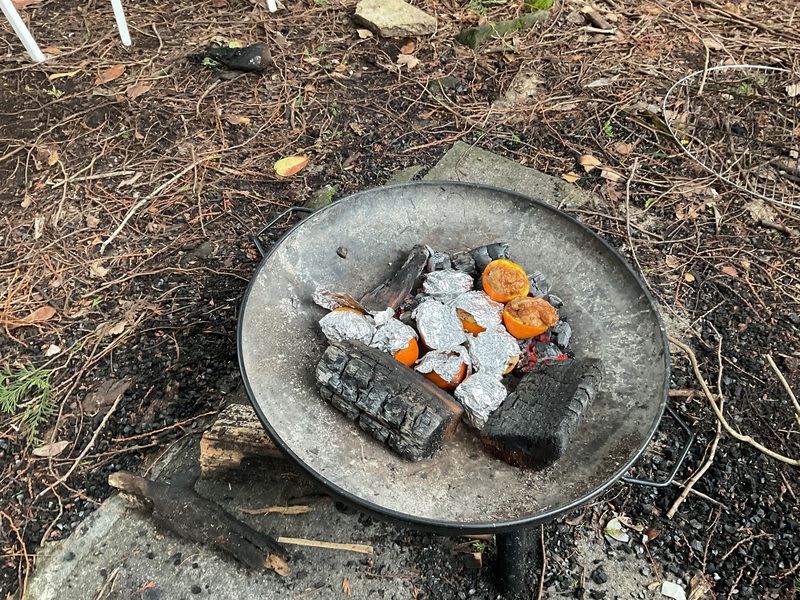
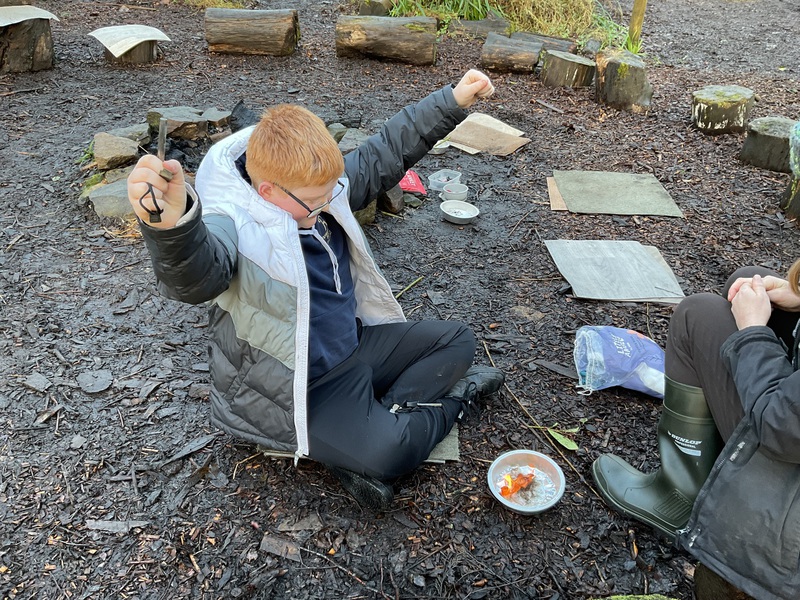
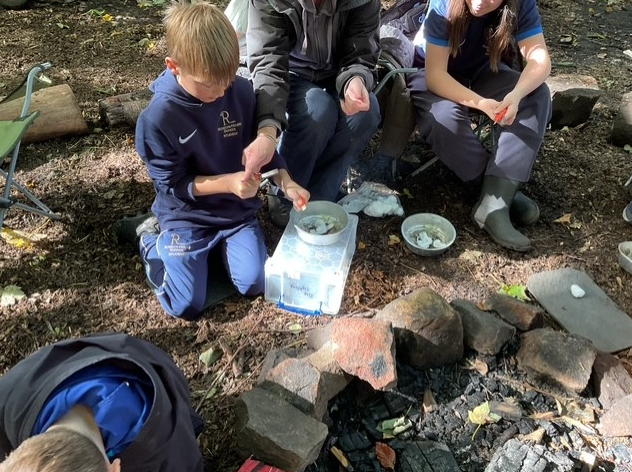
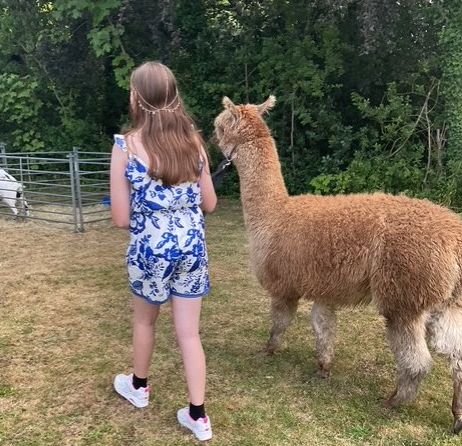
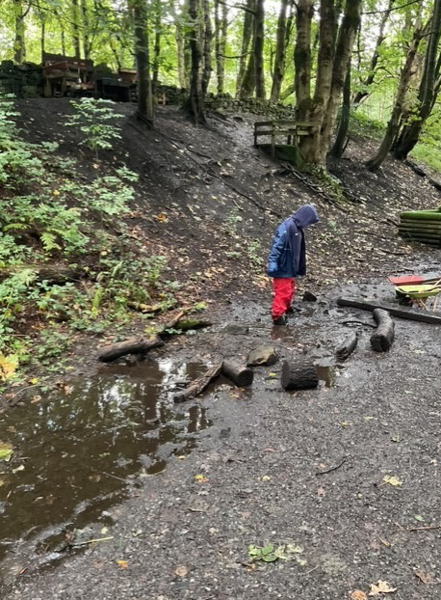
Through farm visits and forest school, students gain a greater understanding of animals, food production and the natural environment. 

Together, these experiences ensure that every student has the opportunity to discover new interests, develop valuable life skills and enjoy meaningful experiences that prepare them for success beyond school. 

Print | Sitemap
This website is maintained By Dave Somers & Rose Somers IT Dept. Roselyn House School © KS Education 2026